

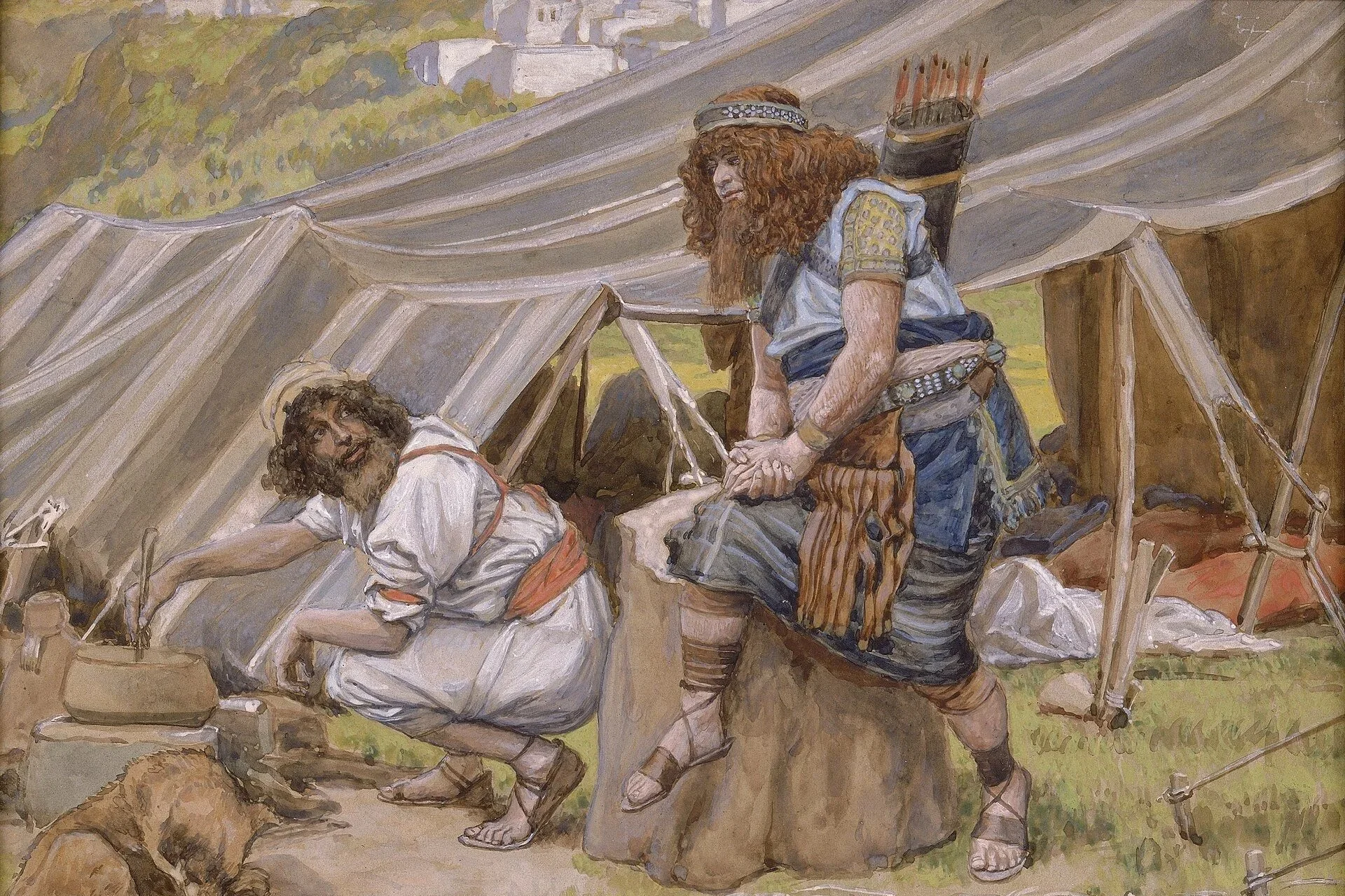
Remembering Our Inheritance
What do our everyday choices reveal about what we truly value? Esav’s exchange of his birthright invites us to cherish our inheritance in Yeshua—and to let Torah study, watchfulness, and prayer shape how we respond when our desires press upon us.
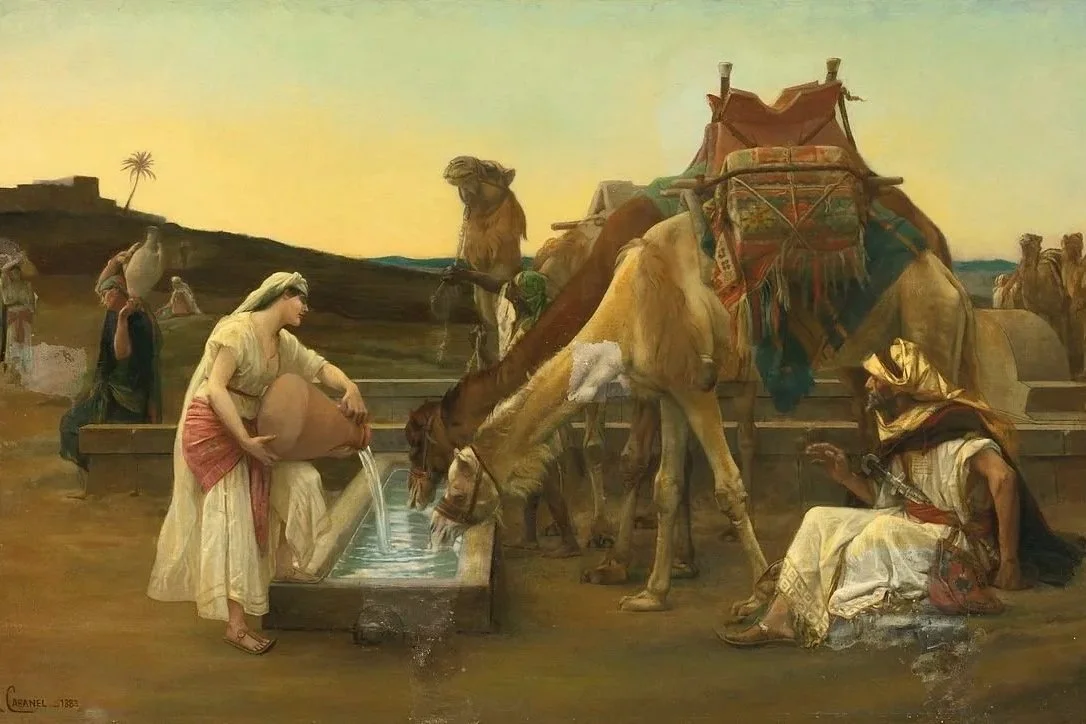
Your Father Knows What You Need
If HaShem already knows what we need before we ask, why do we need to pray? The story of Avraham’s servant teaches us to bring what lies beyond our control before our Father with confidence in His goodness and care.

Why Lot Lingered
Lot knew he needed to flee, yet he lingered. What made leaving so difficult? Yeshua’s warning to “Remember Lot’s wife” invites us to examine what holds us back from obedience and to live faithfully with the time we have.
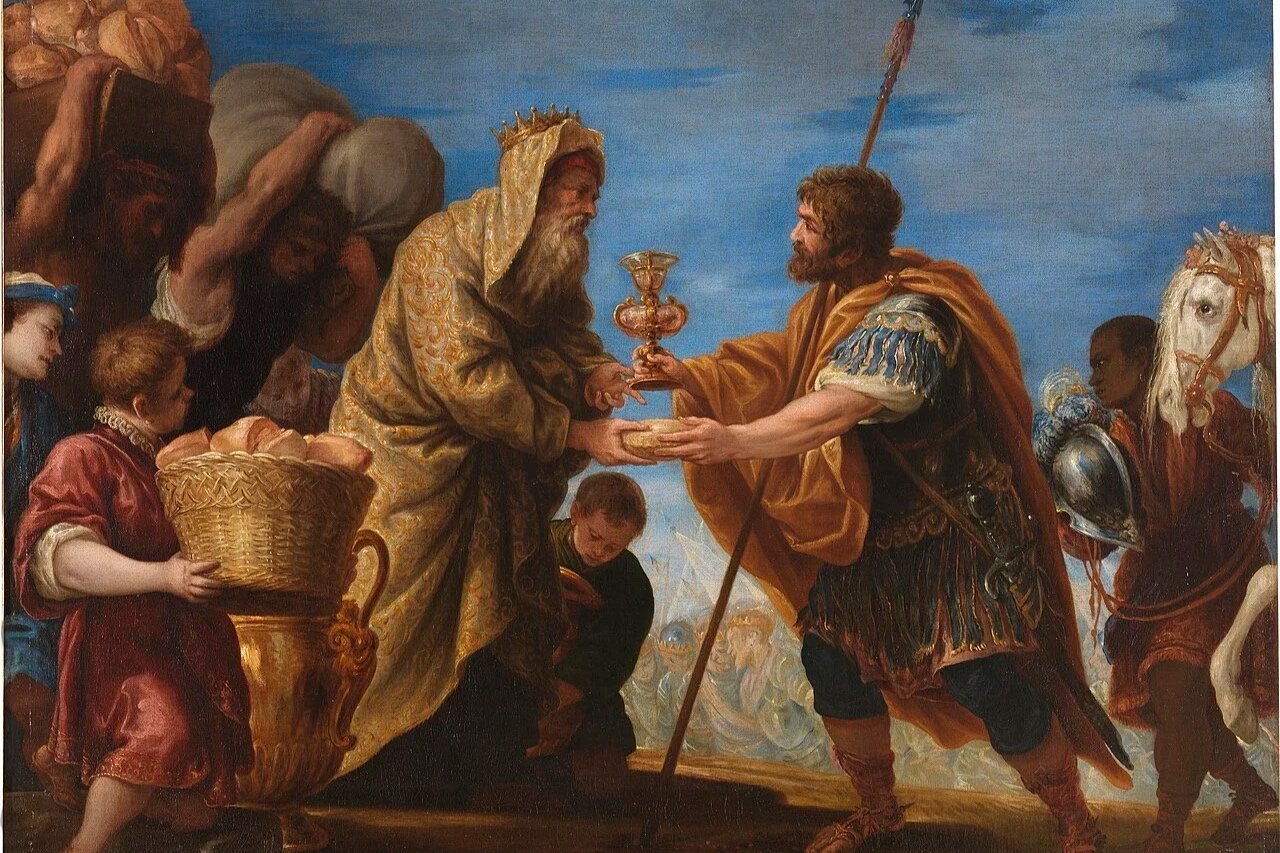
Trials of Faith
Avraham followed HaShem into the land he was promised, only to encounter famine and uncertainty. This week’s lesson explores what his trials—and the words of Shimon Kefa—teach us about remaining faithful when the road becomes difficult and learning to trust HaShem through the struggles we face.

Ruling the Heart
The generation of the Flood was ruled by the inclinations of the heart. What does Parashat Noach teach us about guarding, directing, and shaping our own hearts?

Ordering the Inner Life
HaShem brought order to creation, giving everything its proper place and purpose. What does the story of Kayin teach us about cultivating that same order within ourselves?

Closeness to HaShem
As Sukkot draws to a close, Shemini Atzeret invites us to reflect on HaShem's desire to dwell among His people. From the dedication of the Temple to the coming of Yeshua, we discover a promise of enduring faithfulness and an invitation to carry the closeness of these sacred days into the year ahead.

A Place at the King’s Table
A Roman centurion’s extraordinary faith reveals the promise of the Messianic banquet. Discover how this promise connects to Sukkot, the coming kingdom, and our hope of sharing in the joy of the King’s great feast.

Abraham’s Dilemma: The Dark Side of Kindness
In this teaching, Rabbi Fishman explores the virtue of chesed—lovingkindness—through the life of Abraham and the troubling contrast between Abraham and his nephew Lot.

Cain and Abel: Hearing the Voices in Our Heads
Why did God accept Abel’s offering but not Cain’s? Was divine rejection the cause of violence, or did it reveal something already stirring within Cain’s heart? Drawing from Rabbi Jonathan Sacks and Midrash, Rabbi Fishman examines the inner struggle between guilt and anger, humility and ego.

Abraham: The Introduction of a Hero
What did Abraham do to receive this calling? And why does the Torah omit the reason? Drawing from Maimonides and the Midrash, Rabbi Fishman traces Abraham’s emergence as a spiritual revolutionary.

Why Is It So Hard to Let Go?
Through the tragic story of Amnon, Tamar, and Avshalom in 2 Samuel, Rabbi Fishman explores the spiritual cost of silence, the danger of buried resentment, and the difference between forgetting and truly forgiving.
